Mar-17-2026

Modern construction materials must meet higher standards than ever before. Builders today demand stronger adhesion, better durability, and improved crack resistance in mortar and tile adhesives. One of the key additives that makes this possible is Redispersible Polymer Powder (RDP).
Although it appears to be a simple white powder, RDP plays a crucial role in improving the performance of cement-based building materials. From tile adhesives to external insulation systems, it helps construction companies achieve better bonding strength, flexibility, and long-term durability.
In this article, we will explain what Redispersible Polymer Powder is, how it is manufactured, and why it is widely used in modern construction materials.
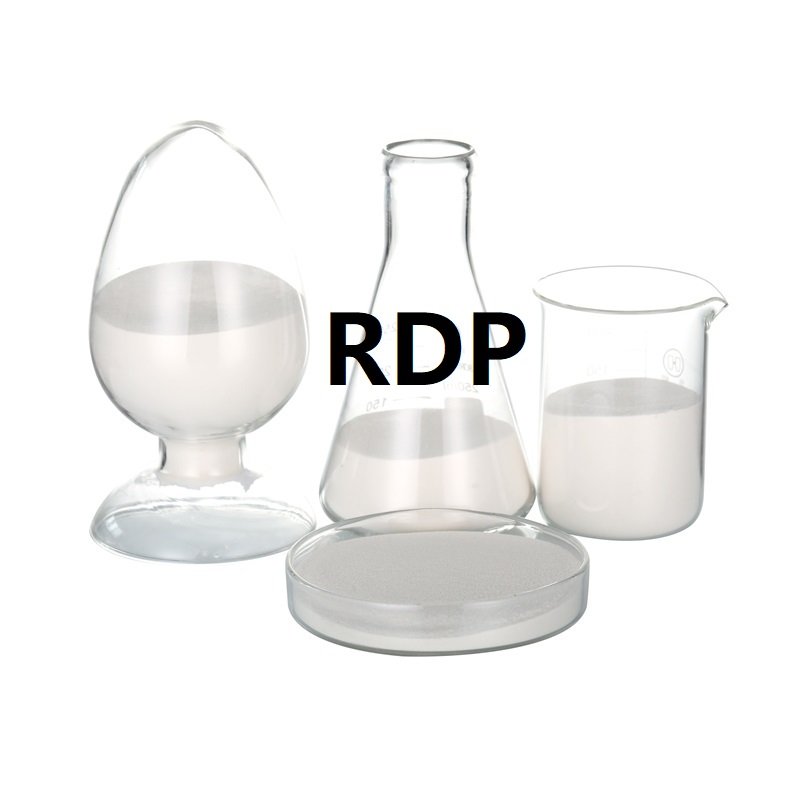
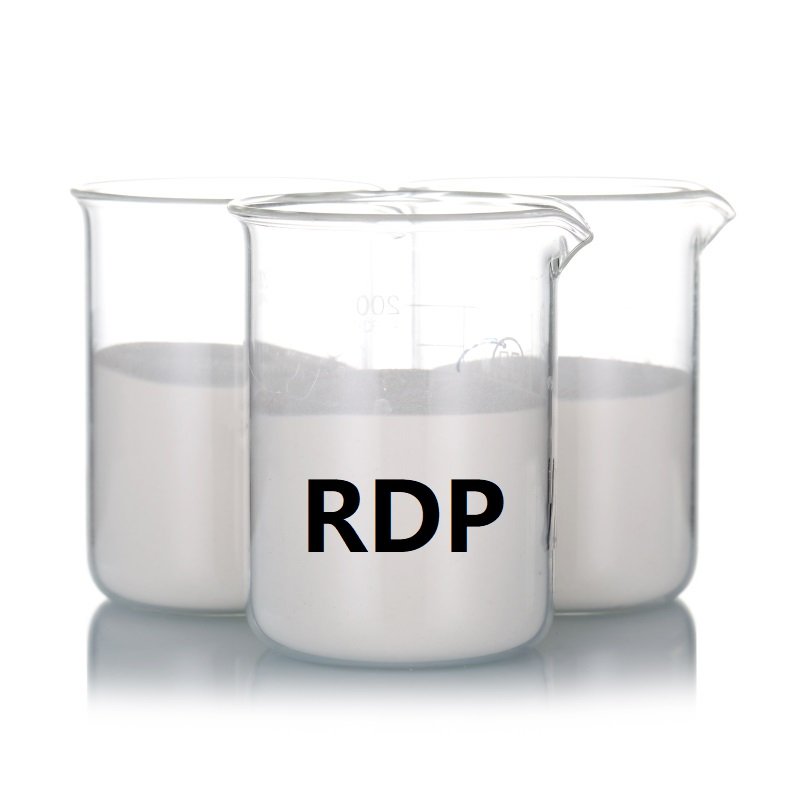
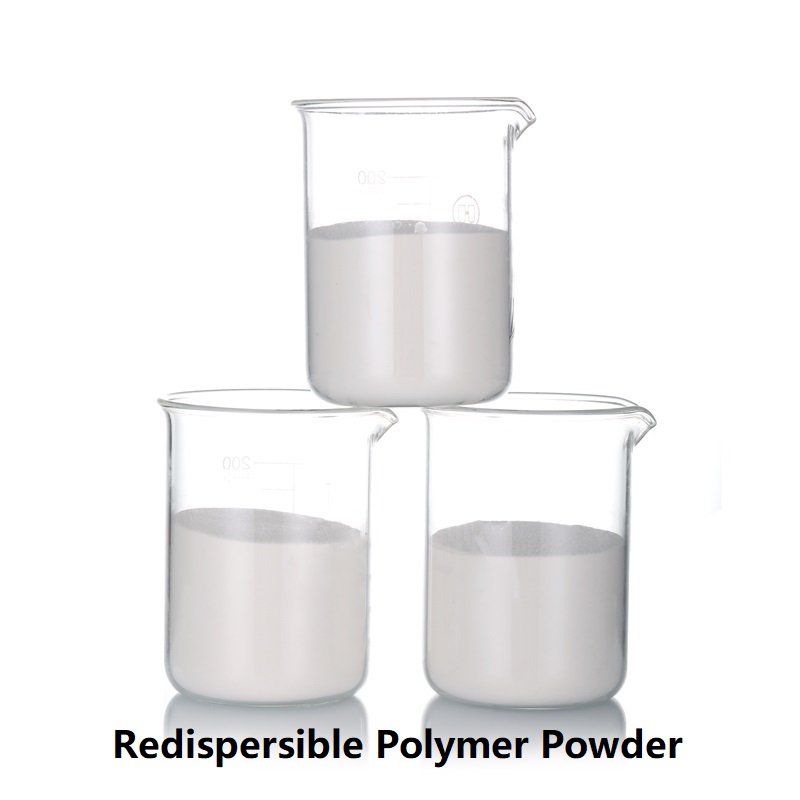
Redispersible Polymer Powder (RDP) is a spray-dried polymer material made from water-based polymer emulsions. When mixed with water again, the powder redistributes into a stable emulsion similar to its original liquid form.
In cement-based mixtures, the polymer particles form a flexible film during the curing process. This film improves the internal structure of the mortar, allowing it to bond better with different substrates.
Because of these advantages, RDP is widely used in dry-mix construction materials such as:
Tile adhesives
Wall putty and skim coats
Repair mortars
Self-leveling compounds
External insulation and finishing systems (EIFS)
Today, Redispersible Polymer Powder has become an essential additive in many polymer-modified mortars used in modern building projects.
Traditional mortar made only with cement and sand can be strong in compression, but it often lacks flexibility and adhesion. This can lead to problems such as cracking, debonding, or tile detachment.
Adding RDP to dry mortar significantly improves performance.
One of the main advantages of Redispersible Polymer Powder is stronger bonding. The polymer film created during curing helps mortar adhere firmly to surfaces such as concrete, bricks, gypsum boards, and insulation panels.
This improved adhesion reduces the risk of tiles or coatings falling off.
Cement-based materials are naturally brittle. RDP improves flexibility, allowing the mortar to absorb small movements caused by temperature changes, structural vibration, or substrate expansion.
This flexibility greatly reduces the risk of cracking.
RDP helps mortar retain moisture for a longer period during curing. This ensures proper cement hydration and prevents premature drying, which often leads to weak bonding and surface cracks.
Polymer-modified mortars are more resistant to environmental stress, including moisture, weather exposure, and mechanical impact. This makes them suitable for both interior and exterior construction applications.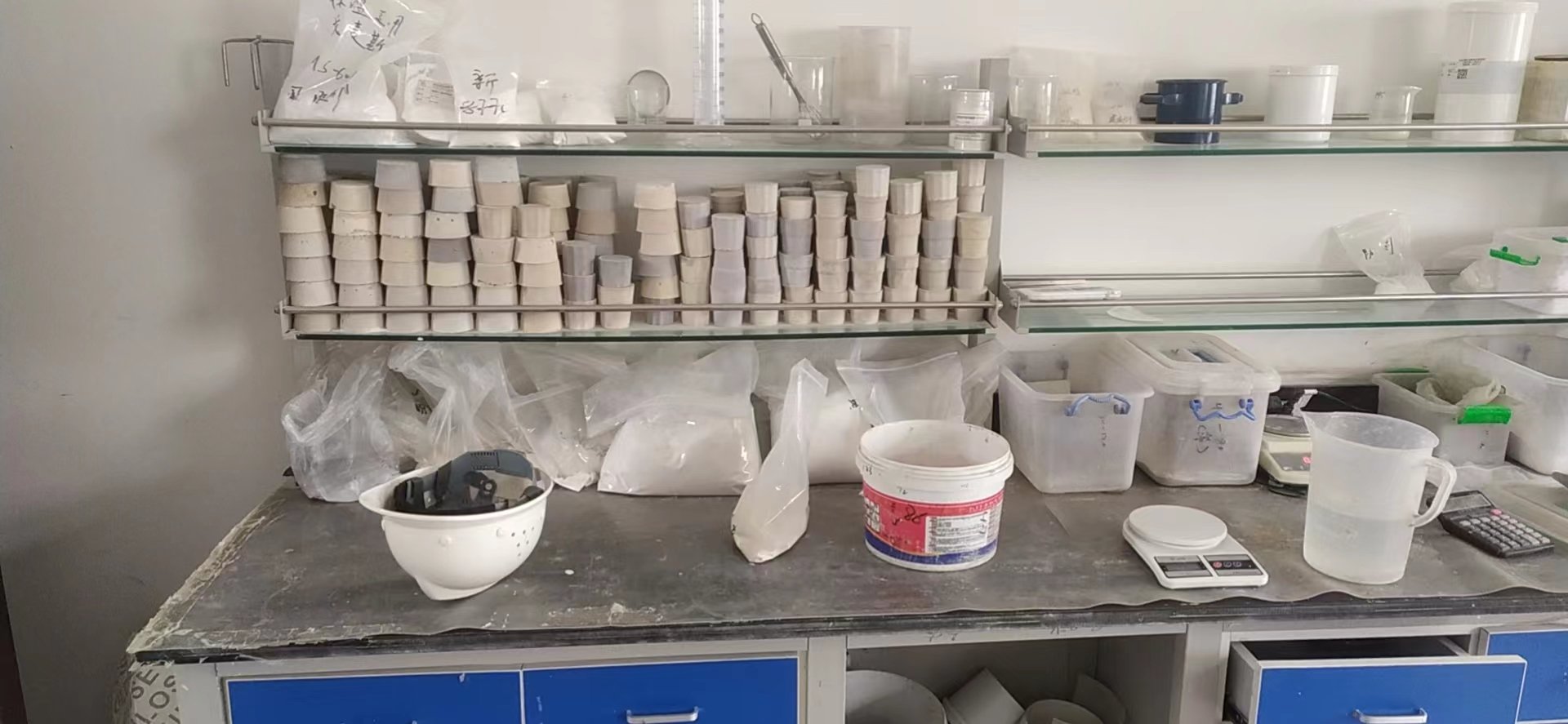
The production of Redispersible Polymer Powder involves advanced chemical processing and strict quality control.
The process begins with the production of a polymer emulsion, typically based on materials such as vinyl acetate and ethylene. These polymers are carefully formulated to provide the desired flexibility and adhesion properties.
The stability and composition of the emulsion play a critical role in determining the quality of the final RDP product.
The liquid polymer emulsion is then fed into a spray drying system. Inside the drying chamber, hot air rapidly evaporates the water content, leaving behind fine polymer particles.
During this process, protective colloids such as polyvinyl alcohol are added to prevent particles from sticking together.
The dried powder is collected and processed to ensure proper particle size distribution and moisture control. Stabilization helps maintain good dispersibility and improves storage stability.
Before being supplied to the market, Redispersible Polymer Powder undergoes rigorous testing. Manufacturers check properties such as:
Particle size distribution
Redispersibility in water
Viscosity behavior
Performance in mortar formulations
Strict testing ensures consistent quality and reliable construction performance.
Because of its performance benefits, RDP is widely used in many dry-mix building products.
RDP improves bonding strength between tiles and substrates. It also helps adhesives withstand temperature changes and moisture exposure, preventing tile detachment.
In finishing materials, RDP improves workability and adhesion. It allows walls to achieve a smoother finish while reducing the risk of cracking.
RDP enhances the strength and flexibility of repair materials, helping them withstand structural stress and environmental conditions.
In insulation systems, RDP improves bonding between insulation boards and building walls. It also increases weather resistance and long-term durability.
Construction companies increasingly use polymer-modified mortars because they offer several key advantages:
Strong adhesion to multiple substrates
Improved flexibility and crack resistance
Better water retention during curing
Enhanced durability and weather resistance
Reduced maintenance and repair costs
These benefits help improve both the performance and reliability of modern construction materials.
Redispersible Polymer Powder may look like a simple construction additive, but its role in modern building materials is significant. By improving adhesion, flexibility, and durability, RDP transforms ordinary cement mortar into a high-performance construction material.
As construction standards continue to evolve, polymer-modified mortars containing RDP have become an industry standard for many applications, including tile adhesives, skim coats, and insulation systems.
For builders and material manufacturers, understanding the value of Redispersible Polymer Powder is essential for producing reliable, long-lasting construction solutions.
Previous:
Related News
Sep 01, 2026
Redispersible Polymer Powder in Self-Leveling Compound: Flexibility, Adhesion and Surface Quality in One Additive Self-leveling compound is one of the most technically demanding products in the dry mi

Sep 01, 2026
Is Your Exterior Render Cracking? How RDP Powder Prevents Facade Cracking
Is Your Exterior Render Cracking? The Answer Is Almost Always in Your RDP Specification If you manufacture exterior render and are receiving cracking complaints from contractors or if your product per
Sep 01, 2026
Why Do Tiles Fall Off? RDP Powder Improves Tile Adhesive Performance
Why Do Tiles Fall Off? How RDP Powder Improves Tile Adhesive Performance Tiles falling off walls and floors is more than just an aesthetic nuisanceits a safety hazard and a costly construction failure
May 28, 2026
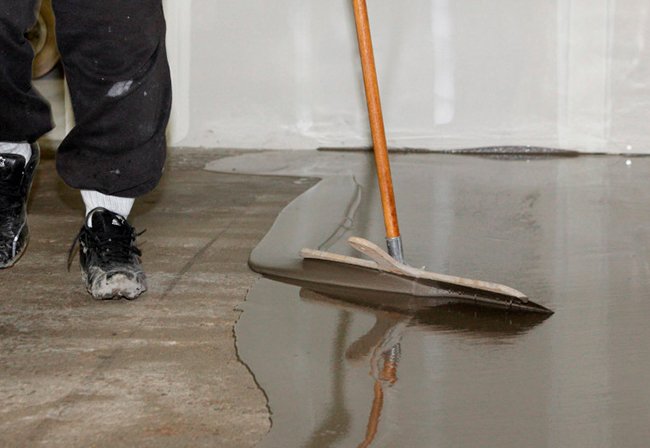
Is Redispersible Polymer Powder the Best Additive for Dry Mix Mortar?
Is Redispersible Polymer Powder the Best Additive for Dry Mix Mortar? Introduction Dry mix mortar has become a mainstream building material in modern construction projects due to its stable quality, c
Navigation
Navigation
Contact Us
Contact Us
E-mail: sales@redispersiblepolymerpowder.com
Phone: +86 13731126075
WeChat: +86 13731126075
WhatsApp: +8613731126075
Add.: No. 308, Houpengtou,Mayuzhen, Jinzhou, Hebei Province