Feb-27-2026

Previous:
Related News
Sep 01, 2026
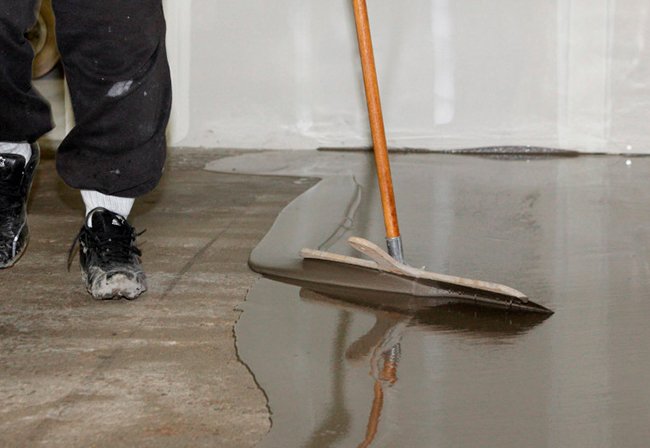
Redispersible Polymer Powder in Self-Leveling Compound: Flexibility, Adhesion and Surface Quality in One Additive Self-leveling compound is one of the most technically demanding products in the dry mi

Sep 01, 2026
Is Your Exterior Render Cracking? How RDP Powder Prevents Facade Cracking
Is Your Exterior Render Cracking? The Answer Is Almost Always in Your RDP Specification If you manufacture exterior render and are receiving cracking complaints from contractors or if your product per
Sep 01, 2026
Why Do Tiles Fall Off? RDP Powder Improves Tile Adhesive Performance
Why Do Tiles Fall Off? How RDP Powder Improves Tile Adhesive Performance Tiles falling off walls and floors is more than just an aesthetic nuisanceits a safety hazard and a costly construction failure
May 28, 2026
Is Redispersible Polymer Powder the Best Additive for Dry Mix Mortar?
Is Redispersible Polymer Powder the Best Additive for Dry Mix Mortar? Introduction Dry mix mortar has become a mainstream building material in modern construction projects due to its stable quality, c
Navigation
Navigation
Contact Us
Contact Us
E-mail: sales@redispersiblepolymerpowder.com
Phone: +86 13731126075
WeChat: +86 13731126075
WhatsApp: +8613731126075
Add.: No. 308, Houpengtou,Mayuzhen, Jinzhou, Hebei Province