Sep-09-2026

In modern construction, the performance of dry-mix mortars has long surpassed the simple combination of cement and sand. Whether it is the bond strength of tile adhesives, the durability of external thermal insulation systems, or the surface flatness of self-leveling underlayments, a key additive works silently behind the scenes—Redispersible Polymer Powder (RDP). This article provides a comprehensive, material-science-driven analysis of RDP's nature, working mechanisms, and the profound impact it has on the construction industry.
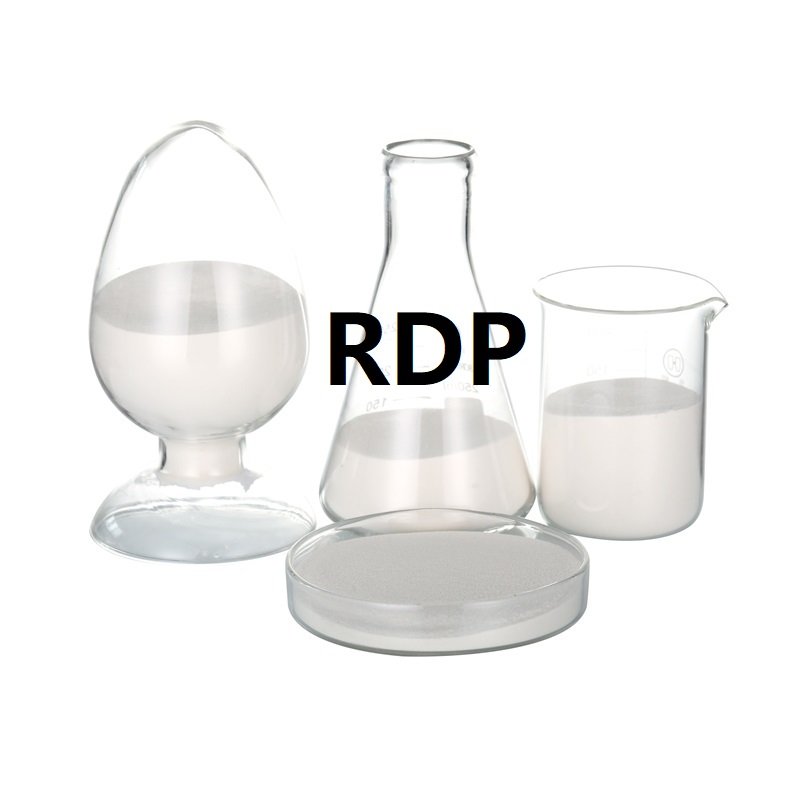
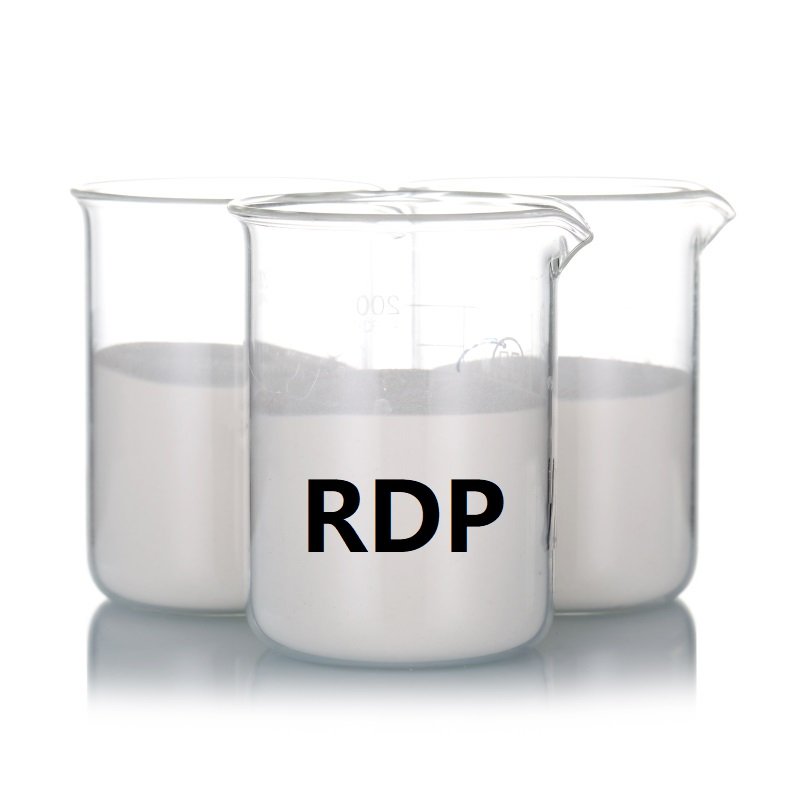
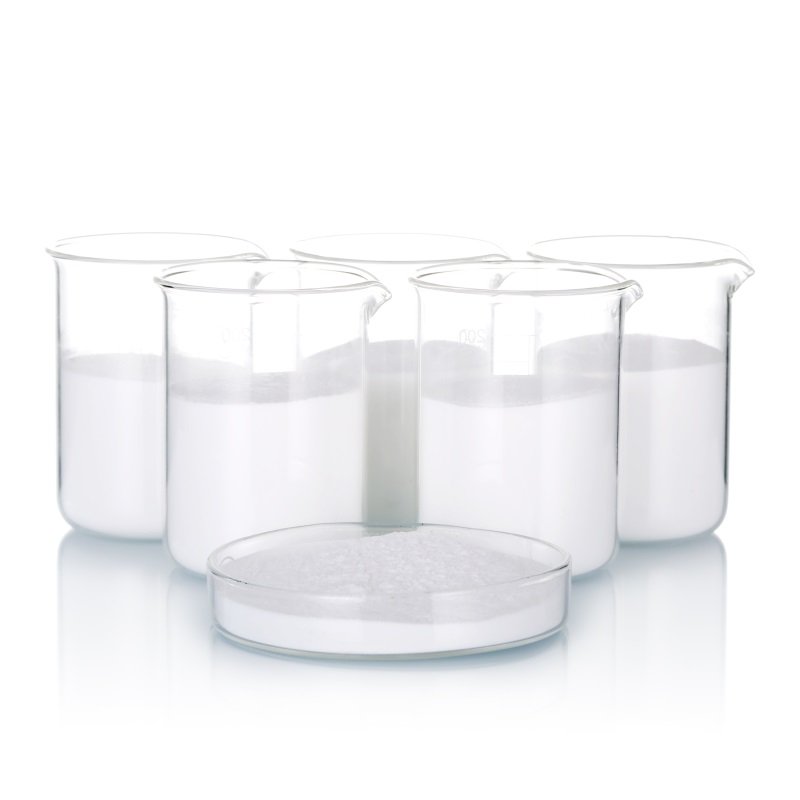
Redispersible Polymer Powder is a free-flowing white powder produced by spray-drying specially formulated polymer emulsions (such as vinyl acetate-ethylene copolymer emulsion). Its invention ingeniously combines the high performance of liquid polymers with the logistical convenience of a dry, powder-form material.
The most remarkable characteristic of RDP is its "redispersibility." When this powder is mixed with water, it redisperses to form a stable dispersion that closely resembles the properties of the original liquid latex. The key to this process lies in the use of protective colloids (e.g., polyvinyl alcohol), which shield the polymer particles during spray drying and ensure they can be evenly redispersed upon re-wetting.
When water is added to a cementitious or gypsum-based dry-mix mortar containing RDP, the powder particles re-emulsify almost immediately, releasing fine polymer particles that are uniformly distributed among the inorganic binders and aggregates. As the water is consumed by hydration reactions or evaporates, these polymer particles gradually coalesce to form a continuous polymer film on the surface of cement hydrates and between aggregate particles.
This polymer film does not simply act as a physical filler; instead, it interpenetrates the cement stone network to form an organic-inorganic composite structure. The film acts like countless microscopic "springs" embedded within the inherently brittle cement matrix, effectively dispersing and transferring stresses. This microstructural modification dramatically improves the macroscopic properties of the mortar.
Understanding the working mechanism makes it clear why RDP has become an indispensable component of modern high-performance construction mortars. It addresses, at the molecular level, the inherent weaknesses of traditional cement mortar: brittleness, poor adhesion, and insufficient durability.
Below are the four core values that RDP brings to construction mortars:
This is arguably the most valued contribution of RDP. The polymer film creates a powerful combination of mechanical interlocking and chemical bonding at the interface, significantly enhancing the adhesion of mortar to various substrates (concrete, masonry, ceramic tiles, insulation boards, etc.). Extensive research has demonstrated that RDP-modified mortars exhibit far superior bond strength—particularly after water immersion—compared to unmodified mortars.
Traditional cement mortar has a high modulus of elasticity, making it highly susceptible to cracking under thermal fluctuations or drying shrinkage stress. The addition of RDP significantly improves the flexibility and deformability of the mortar. The polymer film absorbs and buffers internal stresses, effectively inhibiting the initiation and propagation of cracks. This is particularly critical in thin-layer applications (such as tile adhesives and basecoat mortars) and external thermal insulation composite systems (ETICS), where the mortar must accommodate slight substrate movements.
For field applicators, the improvement in workability provided by RDP is the most immediately noticeable benefit. It renders the fresh mortar smoother, easier to trowel, and enhances open time (the period during which tiles can be adjusted). It also improves anti-sagging properties and water retention. The enhanced water retention is especially vital, as it prevents rapid water loss to highly absorbent substrates, ensuring proper cement hydration and thus consistent strength development.
The polymer film fills the capillary pores and micro-cracks within the cement stone, resulting in a much denser mortar structure. This densification yields multiple durability advantages:
High impermeability and water resistance: Effectively blocks water and aggressive ion ingress.
Excellent abrasion resistance: Makes floor and wall surfaces more resistant to mechanical wear.
Superior freeze-thaw and weather resistance: Protects building structures from harsh environmental degradation.
Different polymer chemistries impart distinct performance characteristics to the mortar. The most widely used types include:
Vinyl Acetate-Ethylene (VAE) Copolymer: The most universal grade, offering an excellent balance of flexibility, adhesion, hydrolytic stability, and cost-effectiveness. Widely used in tile adhesives, basecoat mortars, and fillers.
Styrene-Butadiene (SBR) Copolymer: Preferred for applications demanding high strength and waterproofing, such as waterproofing mortars and repair mortars.
Acrylate Copolymers: Known for superior weather resistance and aging stability, commonly used in exterior decorative renders.
Redispersible Polymer Powder (RDP) is far more than a simple auxiliary additive; it is a core functional material that has driven the technological advancement of dry-mix mortars. It masterfully bridges the performance gap between organic polymers (high adhesion, flexibility) and inorganic materials (strength, durability), overcoming the shortcomings of traditional mortars. From external wall insulation in high-rise buildings, to tile installation in wet areas, and even to the aesthetic perfection of floor finishes, RDP plays a silent yet indispensable role. As the construction industry continues to demand higher quality, sustainability, and construction efficiency, the significance of RDP will only grow.
Related News

Sep 09, 2026
What Does HPMC Do in Tile Adhesive? 5 Key Functions Explained for Construction Professionals
What Does HPMC Do in Tile Adhesive? A Deep Dive into Its Critical Role and Mechanism Overview Tile adhesive is one of the most widely used construction materials, yet its performance depends heavily o
Sep 09, 2026
Redispersible Polymer Powder (RDP) Deep Dive: Mechanism & Benefits in Construction Mortars
Redispersible Polymer Powder (RDP) Deep Dive: What Is It and Why Does It Matter in Modern Construction? In modern construction, the performance of dry-mix mortars has long surpassed the simple combina
Sep 01, 2026
Redispersible Polymer Powder in Self-Leveling Compound: Flexibility, Adhesion and Surface Quality in One Additive Self-leveling compound is one of the most technically demanding products in the dry mi

Sep 01, 2026
Is Your Exterior Render Cracking? How RDP Powder Prevents Facade Cracking
Is Your Exterior Render Cracking? The Answer Is Almost Always in Your RDP Specification If you manufacture exterior render and are receiving cracking complaints from contractors or if your product per
Navigation
Navigation
Contact Us
Contact Us
E-mail: sales@redispersiblepolymerpowder.com
Phone: +86 13731126075
WeChat: +86 13731126075
WhatsApp: +8613731126075
Add.: No. 308, Houpengtou,Mayuzhen, Jinzhou, Hebei Province